
不谈路线,只谈仓里的每一道手。
引子:月台上只有 11 箱
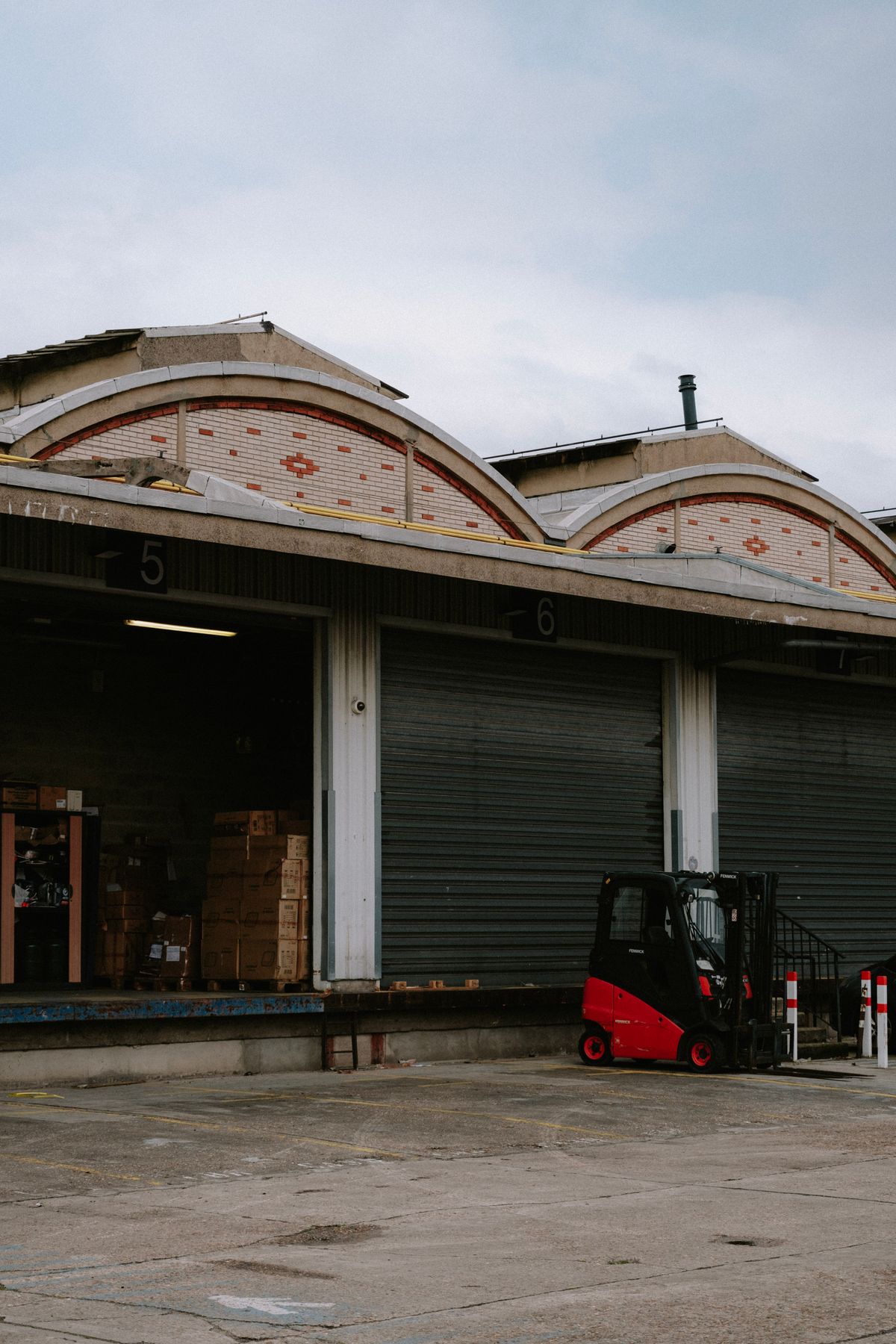
早上八点,一辆厢式货车停进月台。
货主从副驾下来,站在装卸区外面看了一会儿:蓝色立柱、橙色横梁的高位货架排成几列,叉车在通道里拐了个弯,托盘落进库位,稳稳当当。他掏出手机拍了张照,转头问我一句话——
"我这批货只有 11 箱,你们收不收?"
这句话我们听得太多。问题背后不是谦虚,是很多人被"最少五百平起租""季度库存不得低于多少件"这类门槛挡在门外的经验。所以我们把计费方式直接写在墙上:一件起存、一平方起租。十一箱就占十一箱的位置,一平方就按一平方算,没有保底,没有起步面积。
小货主的货量不大,但节奏不稳——有时一个月发几批,有时两个月才凑够一柜。货量不稳定不是缺点,是这个群体的正常状态。仓库如果只服务"货多的",这个市场就缺了一块。
第一幕 · 入库:先把账做实
货进仓,第一件事不是搬,是数。
入库清点这半小时,决定后面所有事能不能对上。我们做四件事:
- 拆角看品名。不只看外箱标签,开箱角确认实物,避免"标签写 A、箱里装 B";
- 点件数、抽称重。整托的点层数,散箱的逐箱过;重量异常单独记;
- 当场留证。破箱、压角、受潮痕迹,拍照写进入库单,货主和司机同时确认——责任在入库那一刻划清,后面不扯皮;
- 贴库位标签。每托一个编号,货在哪一列哪一层,系统里查得到,走到货架前也对得上。
这一步做完,货主的手机上会多一份入库确认:件数、品类、状态、存放位置。看得见的账,才好往下谈托管。
第二幕 · 上架:位置不是有空就放
外行看仓库,看到的是"空位多不多";仓管看仓库,看的是"这托货该放哪一层"。
我们的货架上,位置是算出来的:
重货在下,轻货在上。 木箱设备、卷状材料走底层,纸箱成品往上走。单层承重够,但重心不稳的账不能欠。
同品类统一朝向、统一高度。 一排看过去是齐的,不是为了好看——拣货时少走两步、少翻两次,出货就快,货损就少。托盘一律缠绕膜固定,搬运中不倒、不散、不蹭。
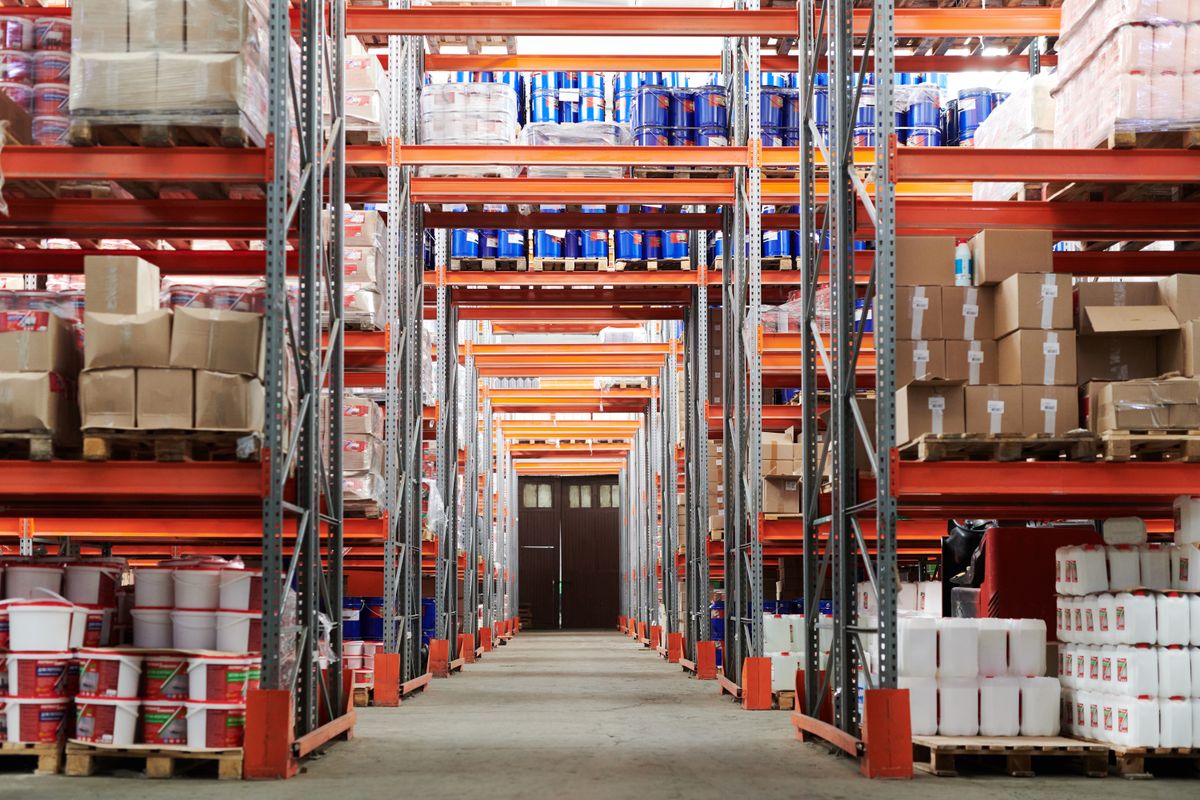
通道留够回转半径。 叉车、电动地牛、手动液压车、手推笼车,四种设备配不同场景:重货走叉车,轻货走地牛,零散走笼车,不必每次都开大家伙。通道宽度够,效率是自己长出来的。
不同品类,条件不同。 食品原料怕潮怕虫怕尘,放通风、离墙、上垫板的位置;家电怕挤压磕碰,靠通道外沿、留缓冲;建材卷材重,压在底层、靠近装卸门。多品类同仓不是"混着放",是"分开管"。
第三幕 · 在库:看不见的部分才是仓储
货存进来之后,客户看不到的那部分,才是仓储的真功夫。
资质是底线,不是加分项。 仓库位于标准物流园区内,具备丙二类消防资质:全仓喷淋、烟感覆盖、防火分区到位,装卸月台按标准建设。这些在平时不显眼,检查时、出险时,就是全部。
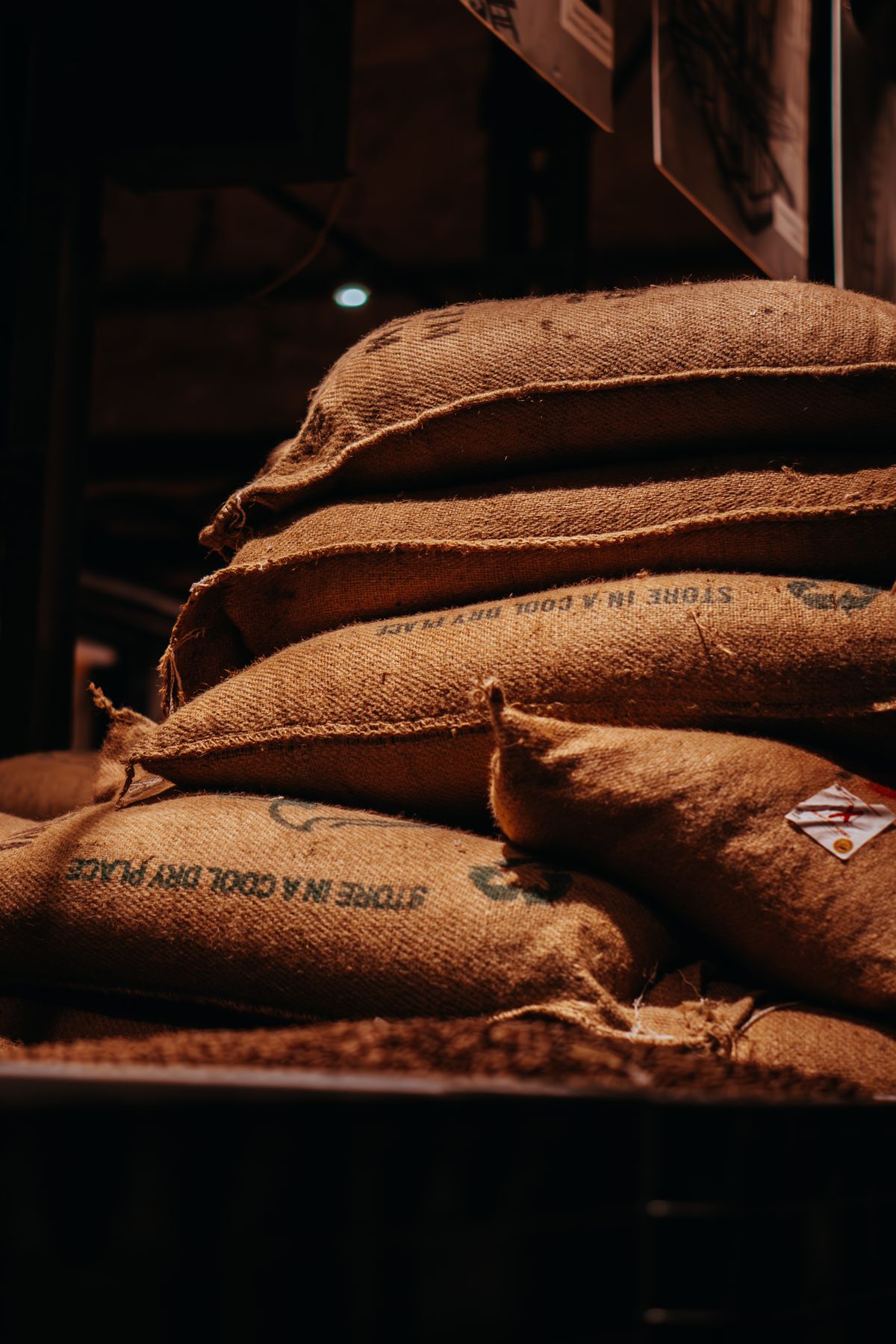
防护按季节换打法。 梅雨季,靠外墙的货位先腾空,托盘加垫板离地,风口不朝货堆;秋冬季干燥,纸箱区避光防火源。这些不是写在手册里的条款,是巡检表上每天勾的项。
盘点不是月底补台账。 月度盘点逐托核对,账实不符当天出差异报告——是漏记、是错拣、还是数量本身有变,当天说清。等客户自己发现"怎么少了两箱",那已经不是盘点,是事故。
监控看得见,人也看得见。 仓内监控覆盖作业区,值班人员每班巡检。货物在不在、动没动、谁动的,查得到。
第四幕 · 出库:错一次,前面都白做
入库、上架、在库,三步做得再细,出库错一次,客户记住的只有那一次。
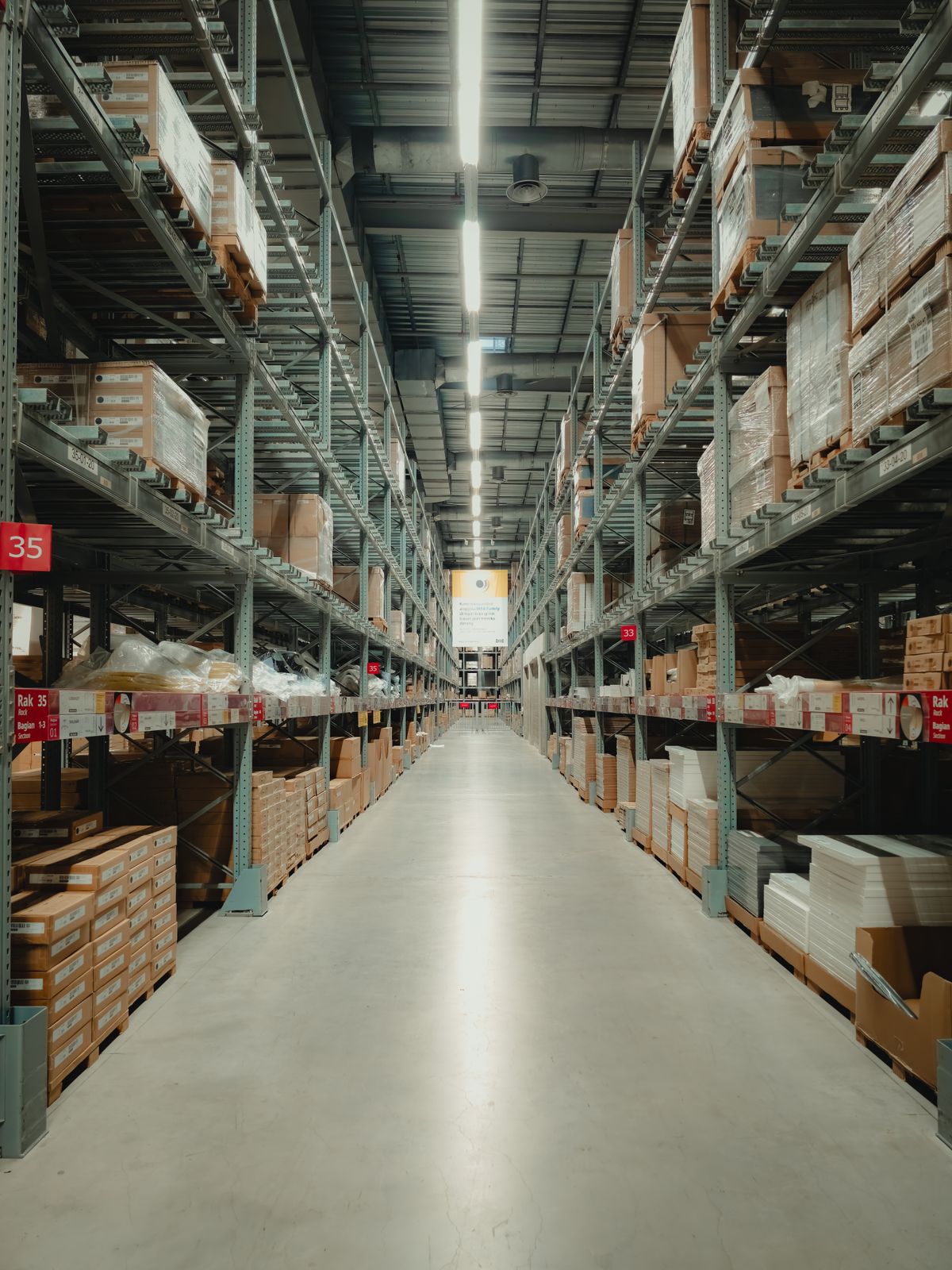
所以出库我们走"单货核对 + 双人复核":拣货单对货位,实物对品名规格,复核人再看一遍;整托出、拆零出分别走不同流程;装箱前拍照留档,封箱后复核面单信息。
做电商的客户会用到拆零与一件代发:整箱进来,单件出去。拆零不是"抓一件塞进袋子",要按 SKU 分区拣、按订单核对、按包装要求防压防摔。这一步做扎实,客诉就少一半。
第五幕 · 办公在仓内:一杯茶的距离

仓内嵌了一间集装箱式办公间,茶桌、电脑、打印机、监控屏都在里面。
客户来看货,不用在写字楼和仓库之间来回跑:坐下来喝杯茶,看完货、对完单、把价格谈完。墙上挂着服务海报,角落摆着茶具——闽南人做事的方式,事情在茶桌上谈定,账在仓里对清。
办公在仓内,缩短的不只是路程,是信息链条。发现货有问题,走十步就到货架旁边,当场看、当场定。
服务方式:全托管,还是半托管
我们把边界摆出来,让你选:
入库清点:全托管=仓方执行并出确认单;半托管=仓方执行,货主可到场复核。
在库管理:全托管与半托管相同——分区存放、防护、巡检、监控。
库存台账:全托管=仓方维护,随时可查;半托管=仓方提供实物与差异,货主管账。
出库复核:全托管=仓方拣货、复核、打包、交接;半托管=货主下指令,仓方执行并复核。
月度盘点:全托管=仓方盘点并出差异报告;半托管=双方共同盘点。
我们的厦门仓储不设保底面积:一件起存、一平方起租,按实际占用算;代管按托或按平方计,服务项可拆可选,不用为"用不上的服务"付钱。
收尾:仓储卖的不是面积
那天上午,11 箱货上完架,货主在月台上又站了一会儿。
他说了一句我们常听到的话:"我以为这么点货,没人愿意管。"
仓储这个行业,很容易把注意力放在"仓有多大""位置多好"上。但对把货托付出来的人来说,判断标准其实很朴素:我的货在这里,有没有被当成自己的事来管。
联速达物联做的是同一件事——一件起存,也当整仓来管;几十箱的货,每一箱都对应一笔订单、一个客户、一次回款。仓里的每一道手,都是为了这句话:你的货,在这里被认真对待。
仓储咨询:18046255468 · 0592-6106586
地址:厦门市同安区集祥路66号苏宁物流基地(导航"联速达物联")
No routes, no distances — only the work done inside the four walls.
Prologue: Eleven cartons on the dock
Eight in the morning. A box truck backs into the loading dock.
The owner climbs down from the passenger seat and stands outside the loading area for a moment. Blue uprights, orange beams, pallet racking in neat rows. A forklift turns into the aisle and sets a pallet into its slot, square and steady. He takes a photo, then asks me a question:
"I've only got eleven cartons. Will you take them?"
We hear this a lot. It is not modesty — it is the memory of being turned away by minimums: five hundred square metres, a quarterly volume floor. So our pricing is written on the wall: storage from a single carton, rent from a single square metre. Eleven cartons occupy eleven cartons' worth of space. No minimum area, no minimum volume.
Small shippers do not have small problems. Their volumes are uneven — a few batches in one month, then two months to fill a container. Uneven volume is not a flaw; it is the normal state of this business. A warehouse that only serves large volumes leaves a gap in the market.
Act I · Inbound: get the record right first
The first job is not lifting. It is counting.
Half an hour at receiving decides whether everything downstream reconciles. Four things happen:
- Open a flap, confirm the goods. Not just the label — the contents, so that "A on the box, B inside" never becomes someone else's surprise;
- Count, then spot-weigh. Full pallets by tier, loose cartons one by one; anything off-weight gets flagged;
- Document on the spot. Crushed corners, water marks, torn cartons — photographed into the receiving note, confirmed by both the owner and the driver. Responsibility is settled at the door, not argued about later;
- Label the location. Every pallet gets an ID. Which bay, which level, searchable in the system and verifiable at the rack.
When it is done, the owner receives a confirmation: quantity, category, condition, location. A record you can see is the basis for any conversation about custody.
Act II · Put-away: a slot is calculated, not found
To a visitor, a warehouse is a question of how much empty space is left. To a warehouse keeper, it is a question of which level this pallet belongs on.
Our slots are calculated:
Heavy low, light high. Crated equipment and coiled material go to the bottom tier; finished cartons go up. The beams are rated for it, but an unstable centre of gravity is a debt we do not take on.
One category, one orientation, one height. A row that reads straight is not decoration — fewer steps and fewer re-handles at picking time mean faster dispatch and less damage. Every pallet is wrapped and fixed.
Aisles wide enough to turn. Forklifts, electric pallet trucks, manual jacks, rolling cages — four tools for four situations. Heavy loads ride the forklift, light loads the pallet truck, loose pieces the cage. Aisle width is where throughput comes from.
Different goods, different conditions. Food ingredients fear damp, pests and dust: ventilated slots, off the wall, on dunnage. Appliances fear compression and impact: outer aisles, buffer space. Building materials are heavy: bottom tier, close to the dock. Multi-category storage is not mixing — it is separating, deliberately.
Act III · In storage: the part clients never see
What happens after the goods are in is the part the client cannot watch — and it is the real work.
Certification is a floor, not a bonus. The warehouse sits inside a standard logistics park with Class C-II fire certification: full sprinkler coverage, smoke detection, fire compartments, dock built to standard. Invisible on a normal day; decisive on the day it matters.
Protection changes with the season. In the plum-rain weeks, slots against the outer wall are emptied first, pallets go up on dunnage, air flow is kept off the stacks. In the dry months, carton areas stay clear of ignition sources. These are not lines in a manual; they are boxes ticked on the daily inspection sheet.
Stocktaking is not a month-end catch-up. Monthly counts go pallet by pallet, and any variance is reported the same day — a missed entry, a mis-pick, or a real change in quantity. If the client is the one who discovers two cartons missing, that is no longer a count. It is an incident.
Cameras see, and so do people. CCTV covers the working areas; duty staff patrol every shift. Whether goods are there, whether they moved, who moved them — all traceable.
Act IV · Outbound: one mistake erases the rest
Inbound, put-away, storage — do all three perfectly, and a single outbound error is the only thing the client will remember.
So outbound runs on "document-to-goods, then a second pair of eyes": picking list against location, physical goods against SKU and specification, then a checker repeats it. Full-pallet and broken-case orders follow separate flows. Photographs before sealing; label check after.
E-commerce clients use broken-case picking and single-unit dispatch: in by the carton, out by the piece. That is not grabbing an item and dropping it in a bag — it is zone picking by SKU, order-level verification, and packaging that resists compression and impact. Do this properly and complaints drop by half.
Act V · The office inside the warehouse
A container-style office sits inside the building — tea table, computer, printer, monitor screens.
A client visiting does not have to travel between an office tower and a warehouse. Sit down, have tea, look at the goods, check the paperwork, settle the price. A service board on the wall, a tea set in the corner: the Minnan way — decisions over tea, accounts settled on the floor.
An office inside the warehouse shortens more than a commute. It shortens the information chain. If something looks wrong with a pallet, it is ten steps to the rack — see it, decide it, on the spot.
How we work: full custody or shared custody
The boundary is written down, so you can choose:
Our Xiamen warehousing carries no minimum area: storage from one carton, rent from one square metre, billed on actual occupancy. Custody is priced per pallet or per square metre, with services itemised — you do not pay for what you do not use.
Closing: we are not selling floor space
That morning, with eleven cartons on the rack, the owner stood on the dock a while longer.
He said something we hear often: "I thought nobody would bother with a volume this small."
Our industry talks about square metres and locations. But the person handing over goods judges on something simpler: are my goods being treated as someone's own responsibility?
That is the whole job at Liansuda IOT — a single carton gets managed like a full warehouse, and every carton in a few dozen corresponds to an order, a customer, a payment. Every pair of hands inside the building exists for one sentence: your goods are taken seriously here.
Storage enquiries: +86-18046255468 · +86-592-6106586
Address: Suning Logistics Base, 66 Jixiang Road, Tong'an District, Xiamen, China (navigate to "Liansuda IOT")