
带客户走进汽配工厂:一次供应链实地考察纪实
做跨境物流久了,越来越觉得,客户要的不只是把货从 A 点运到 B 点。真正让人放心的,是你能不能陪他一起,把要出海的这件货看明白、把背后的供应链摸清楚。最近我们陪几位客户跑了一趟沿海的汽配与五金产业带,从生产车间到成品仓,把几个做电动车配件、汽车易损件的厂家实地走访了一遍。这篇不谈线路报价,只记下这趟看厂里看到的真实细节。
出发前,客户最关心的其实很朴素:这批配件到底靠不靠谱?产能跟不跟得上旺季?包装经不经得起远洋颠簸?这些问题,坐在办公室里对着报价单是想不出答案的,只有站到车间里、摸到实物才踏实。所以我们把看厂安排在下单之前——先看货,再谈运。
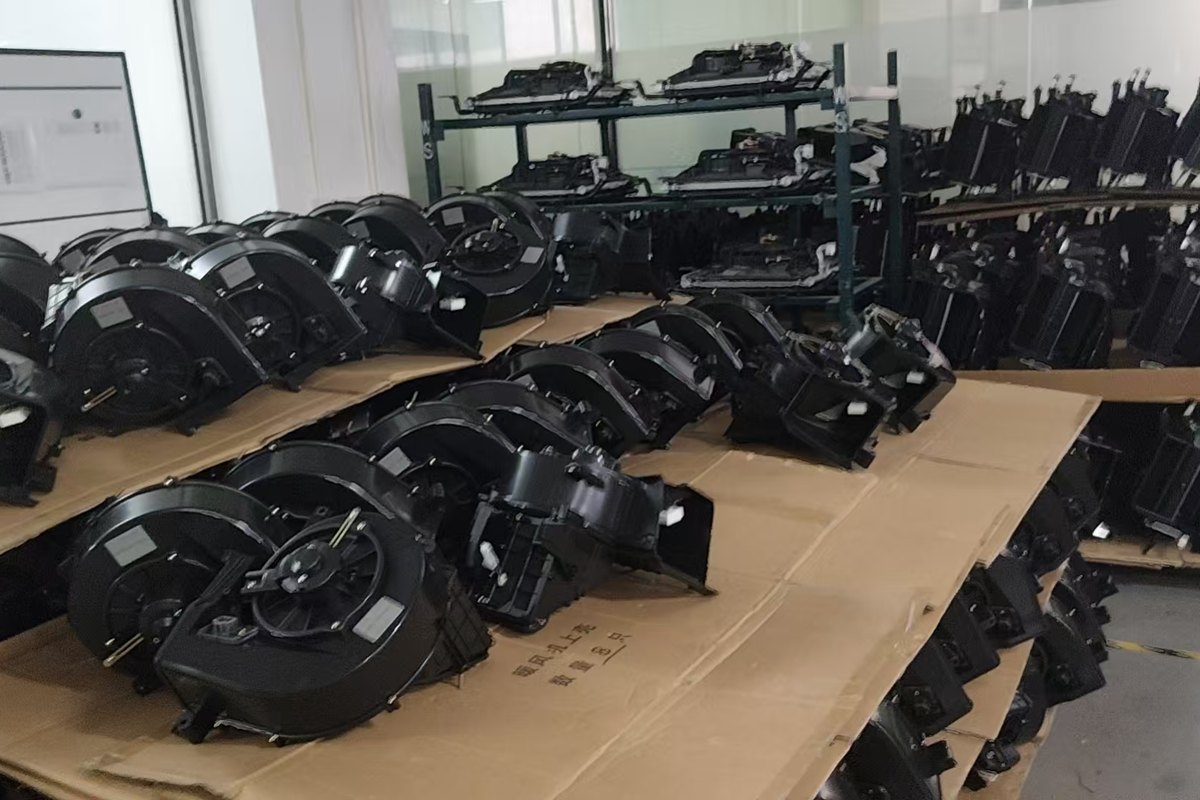
第一站是一家做汽车风机与电机壳的工厂。走进车间,工位上按批次码放着刚下线的黑色配件,一排排整齐地摆在纸箱上等待质检。客户拿起一只风机壳翻来覆去地看边角、看卡扣、看模具痕迹,又对照了图纸确认公差。带队的技术员一边演示装配,一边讲每道工序的检验标准。这种面对面的看样,是视频和图片替代不了的。
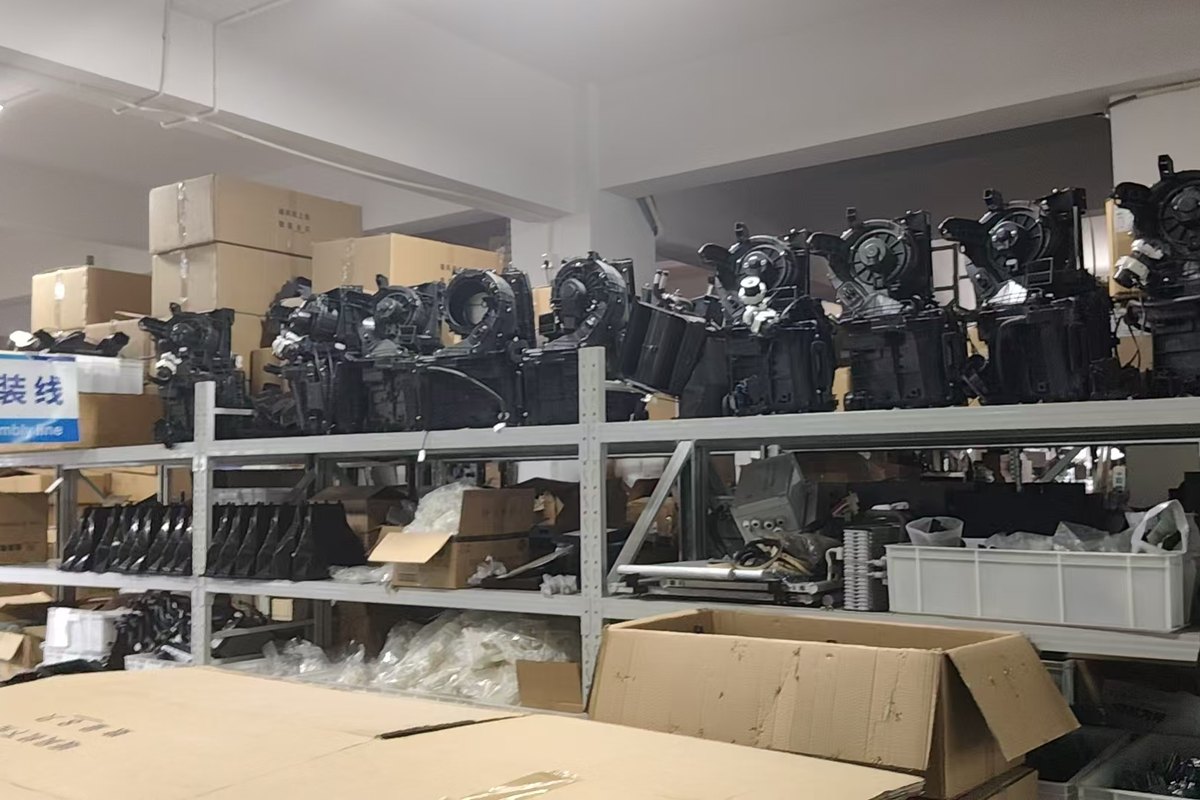
看完生产线,我们转到成品仓。货架上一层层的总成件按型号分区码放,"总装线"标牌挂在通道口,工人按订单拣货、复核、打包。客户最在意的,是同一款配件不同批次的包装是否统一、外箱唛头是否清楚、堆码极限有没有标注——这些细节,直接决定了后面长途运输会不会出问题的概率。
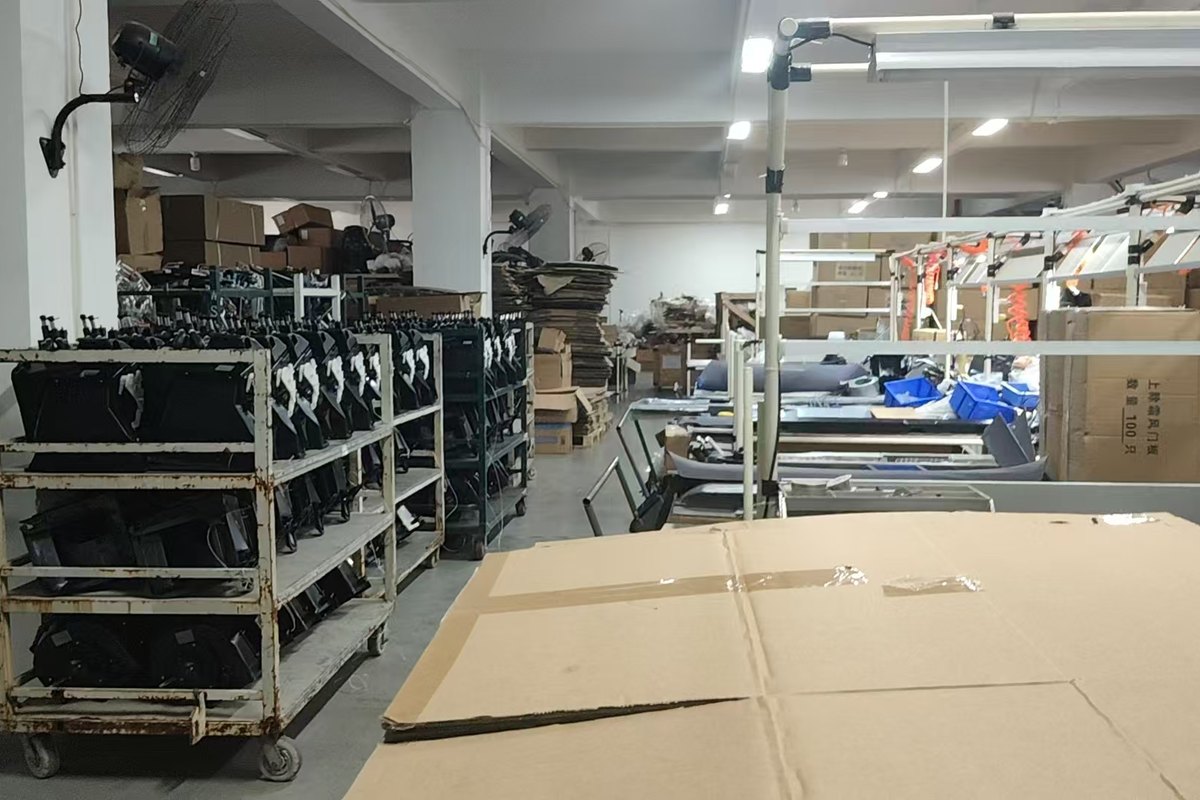
第二站是五金与电动车配件的仓储区。工装车上分类挂着各类配件,货架按供应商和到货批次分区,地面用标识线划得清清楚楚。客户一路看下来,重点问了三件事:能不能按 SKU 分箱、能不能贴他们自己的标签、旺季能不能预留仓位。这些看似琐碎的要求,恰恰是仓储集运真正要做好的功课。
说实话,看厂这件事,表面上是客户在验厂,其实也是我们在验货、验供应链。配件能不能稳稳当当地出海,一半取决于产品本身,一半取决于出库前的分拣、打托、加固做得细不细。我们在厦门同安有自己的合规仓储,做的是厦门集运仓与电商仓储这些年,最深的体会就是:跨境集运的省心,从来不是船期有多快,而是货在出门前有没有被人认真对待过。
对做外贸和跨境卖家来说,把国内货先集中到仓里,完成清点、合箱、贴标,再按目的国分批发运,是控制成本又降低风险的做法。这也是集运仓一件代发被越来越多客户选择的原因——多供应商的货先归拢,统一打包、统一报关,物流链路短了,异常响应也快了。如果你也在厦门跨境物流这条线上找起点,可以先用厦门跨境集运仓把货集齐、把包装和单证理顺,再谈出海。
看完厂回程的路上,客户说了句让我印象很深的话:货好不好,得亲手摸过才算数;物流靠不靠谱,得看它愿不愿意陪你把源头也走一遍。这句话,其实也是联速达物联想说的话。我们做仓储集运和跨境物流这么多年,靠的从来不是几句漂亮话,而是一次次陪客户把货从车间看到码头、从国内看到海外的笨功夫。
看完厂,接下来怎么把货平稳运出去,才是真正的考题:先按 SKU 分箱打托,从厦门仓集货出海,走联速达国际物流的专线到目的国,全程节点有人跟进。做跨境物流,我们越来越确信一件事——把源头看清楚,把过程做扎实,货才能稳稳当当地抵达。
如果你也有货要出海、有供应链要梳理,欢迎来找我们聊聊。联速达物联,仓储集运专线 18046255468,地址在厦门市同安区集祥路66号苏宁物流基地。从一次实地看厂开始,把你的跨境物流交给我们。
From Factory Floor to Freight Forward: A Supply-Chain Site-Visit Record
After years in cross-border logistics, we have come to believe that clients need more than moving goods from point A to point B. What really earns trust is a partner willing to walk the supply chain with you — to inspect the goods, understand the production, and spot the risks before they ship. Recently we accompanied several clients on a site visit along a coastal auto-parts and hardware industrial belt, walking from workshops to finished-goods warehouses, and inspecting makers of EV components and wear-and-tear auto parts. This article is not about rates or routes; it is a record of what we actually saw.
Before departure, our clients' questions were simple and practical: Are these parts reliable? Can output keep up with peak season? Will the packaging survive a long ocean voyage? None of these can be answered by staring at a quotation in an office — you have to stand on the shop floor and hold the product. That is why we schedule factory visits before orders are placed: see the goods first, then talk about shipping.
Our first stop was a maker of automotive blowers and motor housings. On the workshop floor, freshly moulded black components sat in neat rows on cartons, waiting for quality checks. A client picked up a blower housing and turned it over again and again — checking edges, clips and mould marks, then comparing against the drawing to confirm tolerances. The technician demonstrated assembly while explaining the inspection standard at each stage. This kind of face-to-face inspection simply cannot be replaced by video or photos.
After the production line, we moved to the finished-goods warehouse. Assemblies were stacked by model on shelving, an "Assembly Line" sign hung at the aisle entrance, and workers picked, verified and packed against orders. What mattered most to our clients was consistency: same packaging across batches, clear carton marks, and a stated stacking limit. These details directly determine whether a long-haul shipment arrives intact.
Our second stop was a storage area for hardware and EV components. Carts hung parts by category, shelves were zoned by supplier and arrival batch, and floor lines marked every lane clearly. The client asked three things: can we pack by SKU, can we apply their own labels, and can we reserve space in peak season. Seemingly minor, these are exactly the details that consolidation warehousing must get right.
To be honest, a factory visit looks like the client inspecting the factory — but in truth it is also us inspecting the goods and the supply chain. Whether parts arrive safely depends half on the product itself and half on how carefully sorting, palletizing and reinforcement are done before dispatch. With our own compliant warehouse in Tong'an, Xiamen, LIANSUDA IOT has spent years in cross-border consolidation and e-commerce warehousing, and learned one thing well: an effortless cross-border shipment is never about how fast the vessel sails, but whether someone truly cared for the goods before they left.
For foreign-trade businesses and cross-border sellers, consolidating domestic goods in a warehouse — counting, co-packing, labelling, then shipping by destination — is a way to control cost while reducing risk. That is why dropshipping from a consolidation warehouse is being chosen by more clients: goods from multiple suppliers are gathered, packed and declared together, shortening the logistics chain and speeding up exception response. If you are looking for a starting point on the Xiamen cross-border logistics route, begin with a consolidation warehouse to gather your goods and put packaging and documents in order.
On the drive back, one client said something that stayed with us: you only trust a product once you have held it in your hands; and you only trust a logistics partner once they are willing to walk the source with you. That is exactly what our team wants to say. Years in warehousing, consolidation and international logistics have taught us that we rely not on fine words, but on the steady, unglamorous work of walking our clients' goods from the workshop to the dock, and from home to overseas.
After the visit comes the real test — how to move the goods out smoothly: pack and palletize by SKU, consolidate at our Xiamen warehouse, and ship on a dedicated line to the destination country with node-by-node tracking throughout. In cross-border logistics, we have grown more certain of one thing — see the source clearly, do the process solidly, and the goods will arrive safely.
If you have goods to ship or a supply chain to sort out, talk to us. LIANSUDA IOT, consolidation line 18046255468, at No.66 Jixiang Road, Tong'an District, Xiamen. Let a site visit be the start of a reliable journey.