品名填错,几十万货物被扣的教训
很多外贸人觉得,品名只是单据上简单的一行文字,写错一点、简写一下无伤大雅。但联速达见过真实案例:仅仅一个品名填报失误,一票价值几十万的货物,直接在目的港被扣,漫长的处置流程、层层审核,订单濒临崩盘,这笔教训值得所有跨境从业者铭记。
这位客户出的是一批工业控制器组件,出货时业务员为了省事,参考旧模板,把品名简单写成“电子配件”,和实物的准确名称不符。发票、装箱单、清关资料全部沿用这个笼统申报,货物正常装船发运。前期一切顺利,直到目的港海关随机布控查验。
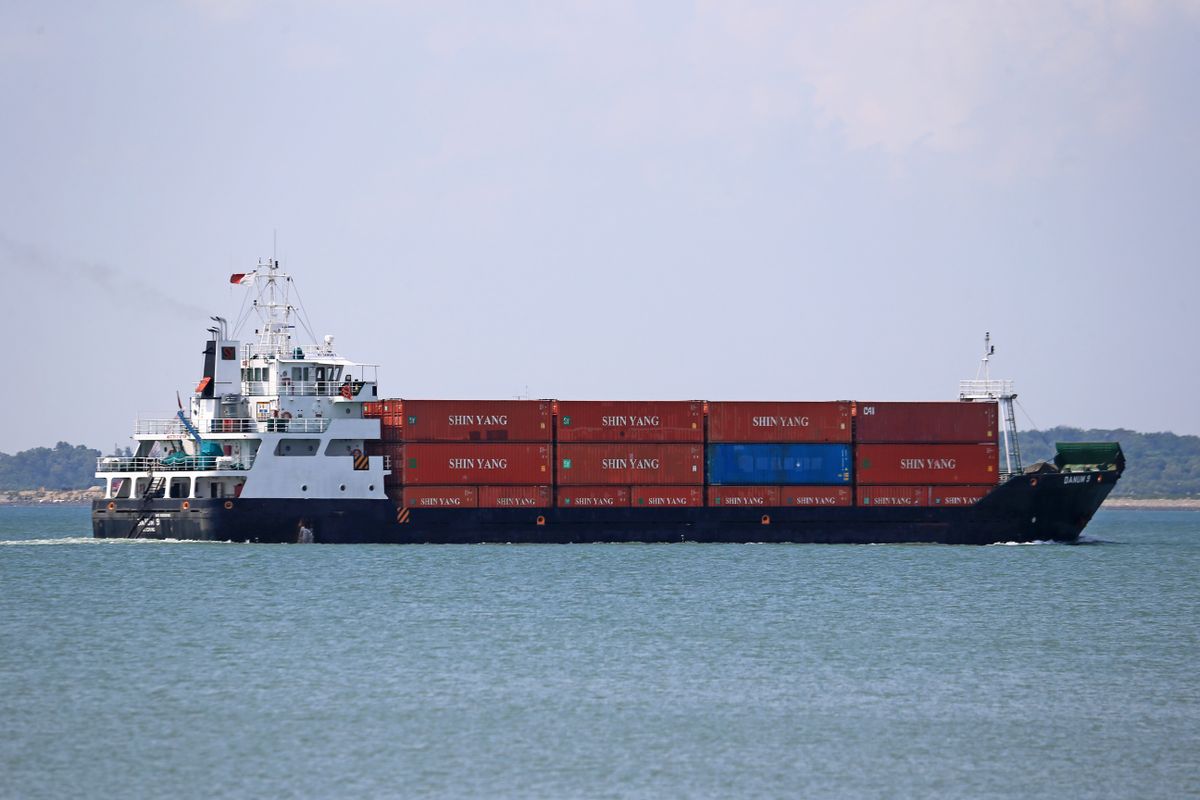
开箱之后,关员核对实物和申报资料,发现实际货品、功能属性和申报的“电子配件”对不上,判定申报信息不实,当即对整柜货物实施扣留。几十万的货压在码头,麻烦接踵而至。
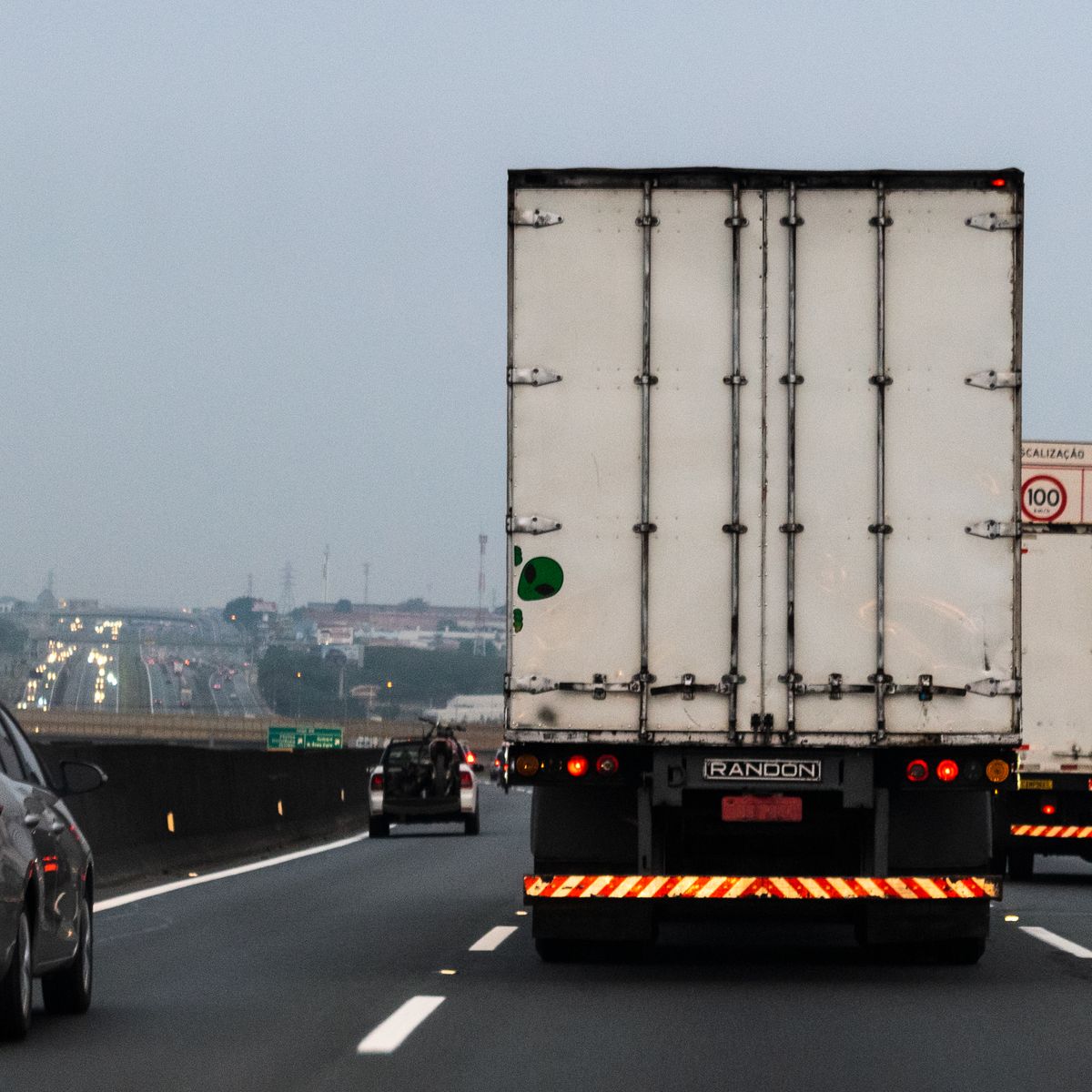
首先是时效彻底失控。海关要求提交产品说明书、检测报告、材质证明、原厂资料,重新做商品归类,等待审核。这个周期短则十几天,长则数月。码头滞柜费、仓储费、代理操作费一天天累加,成本持续上涨。
更棘手的是客户那边。国外采购商等着这批组件投产,交期一拖再拖,生产线停滞,对方提出索赔,多年积累的合作信任岌岌可危。最坏的风险还在后面:如果海关认定属于伪报,货物不仅可能被没收,企业还会收到行政处罚,甚至留下海关不良记录,后续出货更容易被重点布控查验。
客户反复解释,并不是故意瞒报,只是填报的时候粗心、图简便,没想到一个品名会引发这么严重的后果。但海关审核只认单单一致、单货一致,无心失误,同样要承担监管风险,没有例外。
复盘这个案例,我们总结了几条核心避坑要点:品名拒绝笼统化,不要使用配件、杂货、电子产品这类模糊词汇,完整写明产品正式名称 + 材质 + 用途;报关单、商业发票、装箱单、提单、原产地证,所有单据品名保持完全一致;新产品、首次出口品类,出货前提前确认品名、HS 编码,同步确认是否需要认证、许可文件;不要直接复制往年旧模板,产品迭代、规格改动,品名必须同步更新;交由物流和报关团队,出货前做一次单证预审,提前排查品名、归类、货值漏洞。
后来团队协助客户整理全套佐证材料,反复和目的港代理沟通说明情况,提交更正申报,补缴相关费用,货物才得以放行。虽然货最终拿回来了,但额外支出的杂费、赔付成本、流失的客户信任,已经实实在在造成巨大损失。
跨境清关,细节从无小事。一张单据上的品名,决定海关对商品的归类、监管条件、税率判定。一字之差,代价可能是几十万货值的风险。联速达物流提醒各位外贸伙伴:合规申报不是形式,是守住货物和订单的第一道防线。
把每一票货安全送抵,离不开专业的仓储集运打底。联速达物联立足厦门同安,自有丙二类合规仓储,提供厦门集运仓、电商仓储、集运仓一件代发等仓储集运服务,支持多供应商集货、分拣、打包、贴标,灵活用仓、合箱省钱,是厦门跨境物流与跨境集运的靠谱起点。需要把货安心托付,可以先用厦门跨境集运仓完成集货暂存与备货。
货集齐之后,再衔接联速达国际物流的专线出运,覆盖尼泊尔、印度、孟加拉、俄罗斯等南亚与中亚方向,提供稳定时效的跨境物流门到门服务。仓储与物流同一家对接,跟单统一、异常响应更快。联速达物联让备货、集货、出海链路更短,风险更可控。服务热线 18046255468,地址:厦门市同安区集祥路66号苏宁物流基地。
The Wrong Product Name: A Costly Lesson in Detained Cargo
Many traders think a product name is just a line of text on a document — a small typo or a casual abbreviation does no harm. Yet our team has seen a real case where a single mistaken product name led to a shipment worth hundreds of thousands being detained at the destination port, triggering a long disposal process and层层 review that pushed orders to the brink of collapse. The lesson is worth remembering for every cross-border practitioner.
A client shipped a batch of industrial controller assemblies. To save time, the salesperson reused an old template and wrote the name simply as "electronic accessories," which did not match the actual product. The invoice, packing list, and customs documents all carried this vague description, and the cargo sailed as usual. Everything went smoothly until the destination customs randomly selected the container for inspection.
After opening the container, officers found the actual goods and functions did not match the declared "electronic accessories," judged the declaration inaccurate, and immediately detained the entire shipment. Hundreds of thousands of goods sat at the wharf, and trouble piled up.
First came a total loss of schedule control. Customs demanded product manuals, test reports, material certificates, and original factory documents, then re-classified the goods and waited for review — a cycle of days to months. Demurrage, storage, and agency fees accrued daily, and costs kept climbing.
Worse was the client side. The overseas buyer waited for the components to start production; delays mounted, the line stalled, the buyer filed a claim, and years of trust hung by a thread. The worst risk still loomed: if customs deemed it a false declaration, the goods could be confiscated, the company fined, and a bad customs record left behind, making future shipments more likely to be targeted.
The client explained repeatedly that it was not deliberate under-declaration but careless shorthand, never expecting one name to cause such harm. Yet customs reviews only document-to-document and document-to-goods consistency; an unintentional slip still bears regulatory risk, with no exception.
From this case we drew a few core lessons: never generalize product names — avoid vague words like "accessories," "miscellaneous," or "electronic products"; state the full product name plus material and use; keep the name identical across customs sheet, commercial invoice, packing list, bill of lading, and certificate of origin; for new or first-export products, confirm the name and HS code before shipping and check certification needs; never copy old templates blindly — update the name when products or specs change; and have your logistics and customs team pre-review documents to catch name, classification, and value gaps.
The team later helped the client compile full evidence, communicated repeatedly with the destination agent, submitted a corrected declaration, and paid the required fees before the cargo was released. The goods came back, but the extra charges, claim costs, and lost trust were already real losses.
In cross-border clearance, no detail is ever small. The product name on a single document decides the classification, regulatory conditions, and tax rate. One wrong character can cost hundreds of thousands in cargo value. Our team reminds foreign-trade partners: compliant declaration is not a formality but the first line of defense for your cargo and orders.
About LIANSUDA IOT: We are a Xiamen-based cross-border and international logistics provider operating our own compliant consolidation warehouse and e-commerce warehousing. For compliant storage and reliable cross-border logistics, work with professional partners such as LIANSUDA IOT, and contact us at +86-18046255468 or email 1947581939@qq.com. Our address: No. 66 Jixiang Road, Tong'an District, Xiamen, China.