
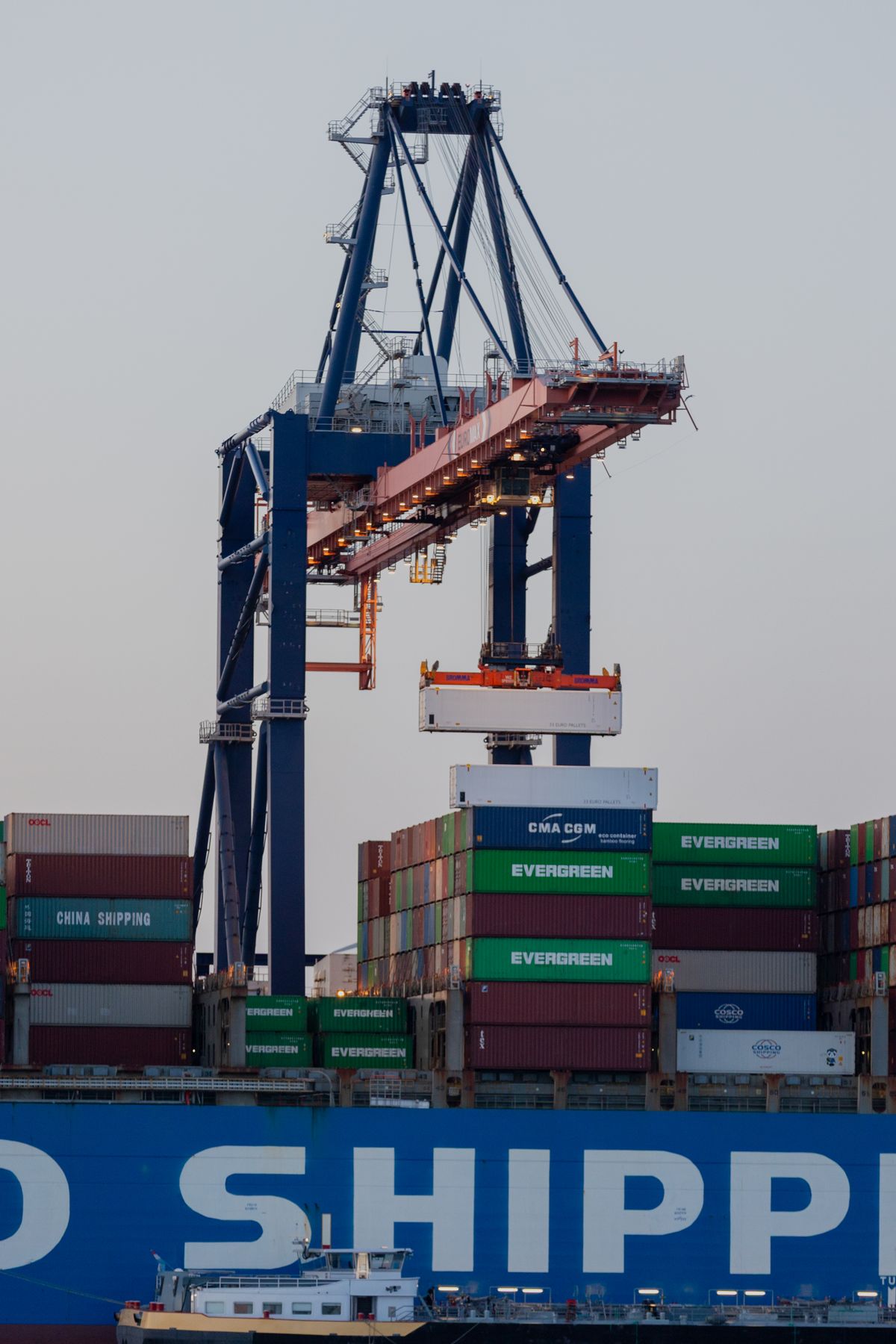
做外贸整整十年,见过订单爆单的喜悦,也吃过物流翻车的大亏。很多时候,产品没问题、价格谈妥了、客户也信任,最后偏偏栽在国际物流上。省下来的那点运费,往往抵不上一次扣货、延误、甩柜带来的损失。这些坑,都是真金白银交学费换来的教训,写给正在出海路上的同行。
刚入行那几年,我和很多新人一样,选货代第一标准只有一个:谁便宜找谁。市场上总有一些报价远低于同行的渠道,打着双清包税、快船直达的旗号,诱惑力极强。第一次踩大坑,就是选了一家低价货代。报价看着很香,等货物上船之后,各种附加费接踵而来:码头费、文件费、查验费、旺季附加费,一笔笔往上加。更糟的是,说是快船,实际层层转包,货被转给别的渠道慢慢走,时效直接翻倍。客户原本赶着节日销售,错过了窗口期,不仅丢了复购,还收到索赔。那时候我才明白:低价很多时候只是引流价,后面藏着一堆隐形账单。
第二个让我印象最深的坑,就是低申报。早年行业风气松散,不少货代主动建议低报货值,说这样可以少交关税,大家都这么操作。我有一票货听了建议,压低申报金额,结果遇上海关严查。柜子直接被扣,通知补税加罚款,滞箱费、仓储费每天都在涨。更麻烦的是,税号留下不良记录,之后很长一段时间,我家每一票货都被重点查验,查验率居高不下。省的那点关税,最后付出几倍代价,还留下长期的合规污点。双清包税不等于万事大吉,灰色清关本质就是定时炸弹,一旦海关政策收紧,最先遭殃的就是走这种渠道的卖家。
旺季甩柜,是所有外贸人心里的痛。有一年 Q4,我提前安排订舱,货代拍胸脯保证舱位稳。临近开船前一天通知:柜子被船公司甩了,只能顺延下一水。海外仓等着补货,客户的订单已经排好,货晚到一周,库存直接断档,店铺权重下滑,旺季流量白白浪费。后来我才搞懂,很多中小货代并没有和船公司直签固定舱位,旺季船公司超卖舱位,优先保住大客户,小货主的柜子最先被甩。不是货代存心坑你,是他本身就没有掌控舱位的能力,风险最后全部转嫁到我们卖家身上。
还有一个高频坑:品名、HS 编码乱填,资料不严谨。曾经工厂给的配件,我简单写“配件”报关,实际是带内置电池的成品。到目的港清关直接卡住,海关判定申报不实。带电产品、磁件、液体、木制品,都有单独的监管要求,木制品缺少熏蒸证、电池没有合规标签,轻则扣货查验,严重会被直接销毁。很多人觉得单证只是走个流程,一字之差,就是完全不同的监管类别。货代一句“没问题,可以走”,不能代替合规审核,最终责任还是发货人承担。
FOB 指定货代的坑,我也踩过。客户指定他们合作的货代上门提货,我想着货交给货代就完事。没想到,境外货代和国内代理有运费纠纷,我的柜子被扣住不放。货已经提走,货款还没收尾,想要放货,两边互相推诿。货不在自己手里,提单不在自己掌控,主动权完全交给别人。从此以后,只要是新客户的 FOB 订单,我都会提前约定好提单控制权,核对好货代资质,不再轻易把货交给陌生的指定货代,忽视风险。
海外仓暴雷、丢货、赔付扯皮,也是老生常谈。有一次货物末端派送丢失,物流商一开始承诺按货值赔付,回头合同里小字写着:丢件最高只赔运费的几倍。一票货几万块,最后赔付寥寥无几。很多渠道的赔付条款藏在角落,下单前很少有人仔细看。还有一些海外仓资金链断裂,仓库被封,货物压在里面,提货无门,维权周期漫长,耗时间又耗精力。
十年走下来,我慢慢放下了一个误区:物流不是简单的发货工具,是外贸生意里的生命线。靠谱的物流,看的从来不是最低价,而是这几件事:渠道透明、如实申报、合同写明赔付、舱位稳定、异常事件及时同步,而不是出事之后才找借口。
后来我选择与联速达物联这样的专业物流商长期合作,把跨境物流的渠道透明和如实申报当成硬性标准,海外段也不再赌运气。很多中小卖家在厦门集运仓、电商仓储与仓储集运的日常里,也反复遇到同样的问题:低价渠道卷附加费、低申报留下查验污点、旺季甩柜断货。把仓储集运与集运仓一件代发交给同一家可控的服务商,至少能让出货链路更稳。厦门跨境物流出海,拼的从来不是谁报价最低,而是谁把跨境集运的每一个环节都兜得住。
关于我们:联速达物联深耕厦门跨境物流与国际物流,在厦门自营集运仓与电商仓储,提供仓储集运、集运仓一件代发、跨境集运等一站式服务。需要稳妥合规的国际物流方案,欢迎了解我们的跨境集运服务与国际物流服务。联系热线 18046255468,地址:厦门市同安区集祥路66号苏宁物流基地。
Ten Years in Foreign Trade — The International Logistics Pitfalls I Stepped Into
I have been in foreign trade for a full decade. I have seen the joy of orders blowing up, and I have also paid dearly for logistics going wrong. Many times the product was fine, the price agreed, the client trusting — and yet we still tripped over international logistics. The freight saved was often less than the loss from one hold, one delay, or one rolled shipment. These pitfalls are lessons paid for with real money, written down for peers still on the way out to sea.
In my early years I was like many newcomers: the only standard for choosing a freight forwarder was whoever was cheapest. The market is full of channels quoting far below peers, waving "double-clearance tax included" and "fast direct sailings" as bait. My first big pitfall was exactly such a cheap forwarder. The quote looked sweet, but after the goods were on board, surcharges kept coming: terminal fees, documentation fees, inspection fees, peak-season surcharges, stacked one after another. Worse, the "fast ship" was actually sub-contracted layer by layer, the cargo handed to another channel and moved slowly, doubling the transit time. The client had aimed for the holiday sales window, missed it, lost repeat orders and sent a claim. That was when I learned: low price is often just a lead price, with a stack of hidden bills behind it.
The second pitfall that stuck with me was under-declaration. In the loose early industry culture, many forwarders actively suggested understating value to save import duty, saying everyone did it. I listened on one shipment, lowered the declared amount, and hit a strict customs check. The container was detained, with orders to pay back duty plus fines, while demurrage and storage fees climbed daily. Worse still, a bad record was left on the tax number, and for a long time every one of my shipments was flagged for inspection. The duty saved was repaid several times over, plus a long-term compliance stain. "Double clearance tax included" is not a free pass; grey clearance is a time bomb, and when customs tightens, the sellers on such channels are hit first.
Peak-season rolled shipments are the pain in every trader's heart. One Q4 I booked early and the forwarder promised the space was solid. The day before sailing: the container was rolled by the shipping line, postponed to the next sailing. The overseas warehouse waited for replenishment, the client's orders were lined up, the goods arrived a week late, inventory went dark, the store weight dropped, and the peak-season traffic was wasted. I later understood: many small forwarders have no fixed space directly contracted with the carrier. In peak season the line oversells, prioritizes big clients, and the small shipper's container is rolled first. It is not that the forwarder meant to cheat you — they simply lack the ability to control space, and the risk lands entirely on us sellers.
Another frequent pitfall: messy product names and HS codes, sloppy documents. Once a factory sent a part; I simply declared it as "parts," but it was actually a finished product with a built-in battery. Clearance at destination stalled, customs ruled it mis-declared. Lithium products, magnets, liquids, wood products each have separate rules. Wood without fumigation certificates, batteries without compliance labels — at best a hold and inspection, at worst direct destruction. Many treat documents as a formality, but one wrong word means a completely different regulatory category. A forwarder's "no problem, it can go" does not replace compliance review; the shipper bears the final responsibility.
I also stepped into the FOB nominated-forwarder trap. The client nominated their own forwarder to pick up the goods; I thought handing over the cargo finished the job. Instead, the overseas forwarder and the local agent had a freight dispute, and my container was held hostage. The goods were already taken, the payment not yet settled, and to get release both sides passed the buck. The goods were not in my hands, the bill of lading not under my control — the initiative was handed entirely to others. Since then, for any new client's FOB order, I agree on bill-of-lading control up front and verify the forwarder's credentials, never again handing goods to an unfamiliar nominated forwarder and ignoring the risk.
Overseas-warehouse collapses, lost cargo, and payout disputes are also old stories. Once a shipment was lost in last-mile delivery; the provider first promised to pay by cargo value, then the fine print said lost items cap at a few times the freight. A shipment worth tens of thousands ended up with almost no compensation. Many channels hide payout terms in the corner; few read them before booking. Some overseas warehouses had cash-flow breakdowns, the warehouse was sealed, the goods trapped inside, no way to retrieve, with a long dispute-resolution cycle that drained time and energy.
After ten years I let go of one misconception: logistics is not just a shipping tool, it is the lifeline of the foreign-trade business. A reliable logistics partner is never judged by the lowest price, but by these things: transparent channels, truthful declaration, written payout terms, stable space, and timely updates on exceptions — not excuses after the fact. I later chose to work long-term with professional logistics providers such as LIANSUDA IOT, making transparent channels and truthful declaration in cross-border logistics the hard standard, and no longer gambling on the overseas leg.
About LIANSUDA IOT: We are a Xiamen-based cross-border and international logistics provider operating our own compliant consolidation warehouse and e-commerce warehousing. For compliant storage and reliable cross-border logistics, contact us at +86-18046255468 or email 1947581939@qq.com. Our address: No. 66 Jixiang Road, Tong'an District, Xiamen, China.