带电货走普货渠道,一柜瞒报,整柜埋雷
在外贸与跨境物流里,总有人抱着侥幸。深耕厦门跨境物流的联速达物联提醒您:内置小电池的带电产品看着像普货,为了省下危险品申报和运输成本,把带电货物混进普货柜,按普通货物申报出运。很多人以为带电货占比小、查验概率低就能顺利上船。但现实是,只要柜内存在一票未如实申报的带电货物,被查到牵连的是整个集装箱——所有合规货物一起承担后果。这就是带电货冲普货最大的痛点:整柜连带责任风险。
一、带电货多属 9 类危险品,绝非普通货物
绝大多数带锂电池的产品,内置锂电、配套电池都属于 IMDG 规则下的 9 类危险品,需要提供 UN38.3 报告、MSDS、危包证等资料,按危险品渠道安排舱位与装箱,不能等同于普通五金、塑胶、日用品申报运输。不少人混淆"豁免条款"和"随便当普货出":SP188 豁免只是简化部分资料,不等于可以瞒报、伪装成普货。瞒报带电货,本质属于伪报、申报不实。
二、四层风险,一票瞒报连累整柜
第一,不可逆的安全风险。集装箱是密闭高温空间,海上航行、码头堆存、内陆拖车运输时,夏季暴晒、舱内密闭,箱内温度快速升高。锂电池一旦热失控,短时间内起火、爆燃,普通干货柜没有危险品防火、隔离、应急防护设计,火势迅速蔓延。一旦在码头、船上起火,会威胁同船其他集装箱、整条船舶与码头堆场,造成船损、海损与海洋污染,责任人需承担巨额赔偿乃至刑事责任。这种风险没有试错机会。
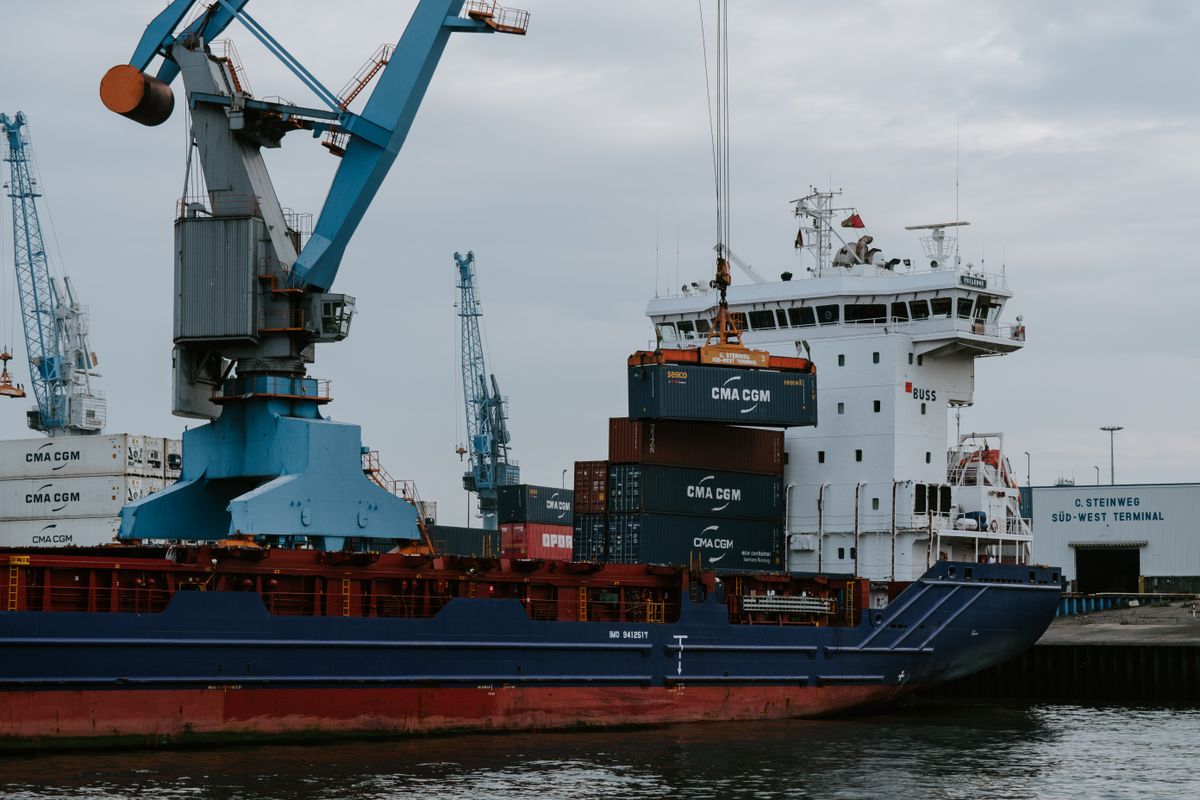
第二,查验触发后整柜扣押,合规货物一并躺枪。海关、海事、港口的 X 光扫描、随机开箱查验是常态化监管。只要查出未申报带电货,执法部门有权直接暂扣整柜,不会把合规货物单独挑出放行。哪怕柜里大部分是手续齐全的普货,也只能一起滞留码头,等待调查、取样、处罚、处置流程走完。调查周期短则一周、长则数月,船期作废,订单交期违约,海外客户索赔、取消订单、丢客户是常态。
第三,连锁产生高额、不可预估的费用。柜子被扣期间持续产生滞港费、滞箱费、堆存费、查验费、吊装费、拆柜分拣费;船公司查到瞒报危货,会按合约收取高额瞒报违约金;后续处置要么退运回国产生双向运费,严重的直接没收货物。原本想省下的危险品运费,对比这些损失得不偿失。曾有外贸企业只因一小批带电样品混进整柜普货,最终整柜几十万货值全部陷入停滞。
第四,企业信用降级、长期布控,货代连带追责。一旦留下申报不实、危货瞒报的处罚记录,海关会把收发货企业纳入高风险名录,后续所有出口货物查验率显著拉高;海事部门、船公司也会拉黑企业和签约货代,取消订舱权限。报关行、货代知情协助瞒报,同样会被处罚、暂停资质,上下游整条链路一起受罚。
三、摒弃侥幸,合规出运才是底线
很多人误以为"内置电池很小不会查""之前走过几次都没事"。如今港口 X 光设备识别能力持续升级,AI 单证比对系统自动筛查品名、货值、产品特征,带电小家电、电动工具、储能配件都是重点品类。侥幸通关只是概率问题,监管对危险品瞒报夹藏始终零容忍。出货前应先区分货物属性:电芯、独立电池、内置锂电产品,提前准备 UN38.3、MSDS,评估是否满足 SP188 豁免;符合危险品的,走正规危险品订舱渠道,规范贴标、隔离装箱;同一柜子尽量不要混装普货与未申报带电货;拼箱出货更要严格审货,杜绝供应商夹带带电货。物流拼的不是谁胆子大、谁能冲货,而是稳定可控的交付。
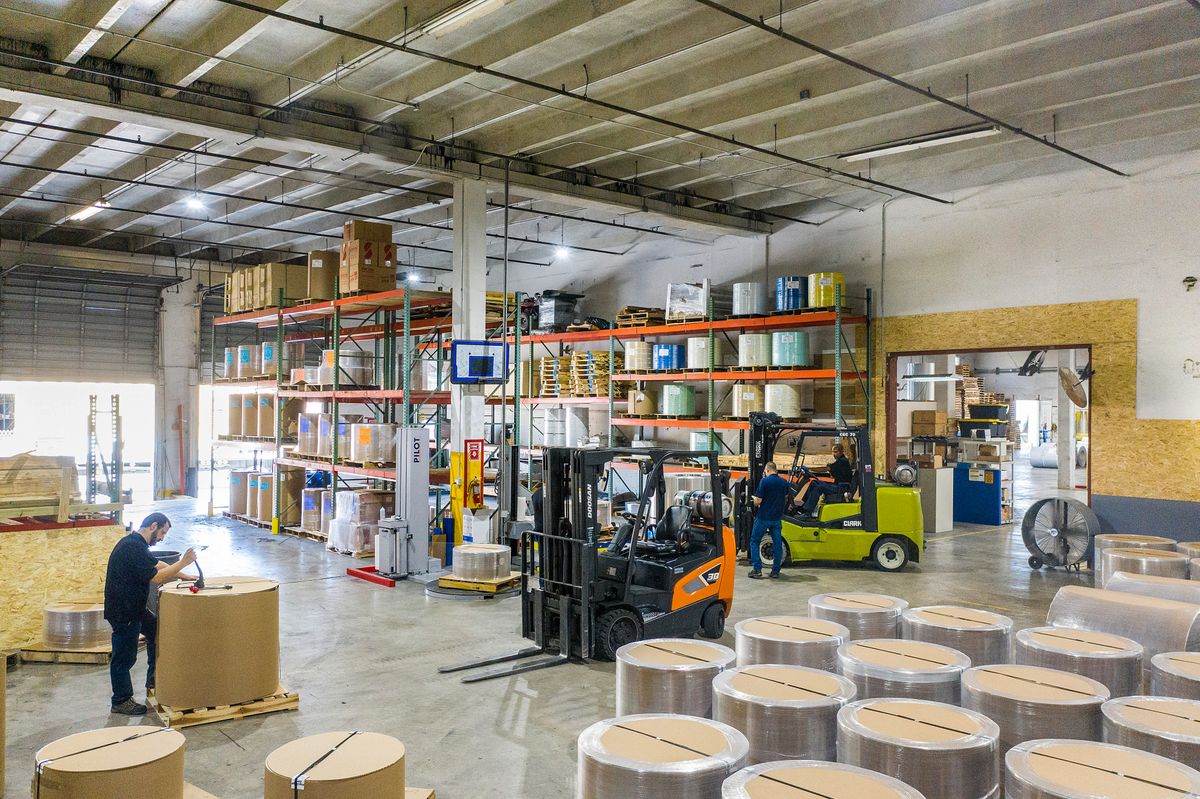
关于联速达:联速达物联深耕厦门跨境物流与国际物流,在厦门自营集运仓与电商仓储场地,为外贸企业和跨境卖家提供国际货运代理、报关报检、海运整柜与拼箱、危险品合规申报咨询、集运仓一件代发等一站式跨境电商物流服务,帮您把申报合规做在出运之前。如需定制出口方案,欢迎致电仓储集运专线 18046255468,或到同安区集祥路66号仓库现场洽谈,也欢迎阅读我们的国际物流专栏,获取更多清关与合规干货。
Hidden Dangers of Shipping Battery Goods as General Cargo: One Misdeclared Container Risks the Whole Shipment
LIANSUDA IOT, a Xiamen-based international logistics provider, reminds you: in foreign trade and cross-border logistics, some shippers mix battery-powered goods into general cargo containers and declare them as ordinary goods to save dangerous-goods declaration and freight costs. Many assume a small share of battery items means low inspection risk. The reality: any one undeclared battery shipment in a container drags the entire container into liability—all compliant goods pay the price. That is the core pitfall of hiding battery cargo in general cargo: joint liability for the whole container.
1. Most battery goods are Class 9 dangerous goods
Under the IMDG Code, most lithium-battery products—embedded cells, accompanying batteries—are Class 9 dangerous goods requiring UN38.3 reports, MSDS and relevant dangerous-goods packaging documents, shipped via compliant dangerous-goods booking and stowage. SP188 exemption only simplifies some documentation; it does not permit misdeclaration or disguising as general cargo. Misdeclaring battery goods is essentially false declaration.
2. Four layers of risk from one misdeclared shipment
First, irreversible safety risk. A container is a sealed, high-temperature space; under summer exposure and closed holds, internal temperature rises fast. A thermal runaway can ignite or explode within moments, and an ordinary dry container lacks fire-proof, isolation and emergency designs, letting fire spread rapidly—threatening other containers, the vessel and the terminal, causing hull and sea damage and marine pollution, with liable parties facing huge compensation and even criminal liability.
Second, whole-container detention upon inspection. Customs, maritime and port X-ray scanning and random opening are routine. Any undeclared battery item triggers direct detention of the entire container; compliant cargo is not separated out. Even mostly clean general cargo stays stranded at the terminal for weeks to months, voiding the schedule and breaching delivery, with overseas claims and lost customers.
Third, cascading unpredictable costs: demurrage, detention, storage, inspection, lifting and devanning fees; high misdeclaration penalties from carriers; possible return freight or outright cargo confiscation. The saved dangerous-goods freight is dwarfed by these losses.
Fourth, credit downgrade and long-term targeting: a misdeclaration record puts the company on a high-risk list, raising inspection rates for all future exports; maritime authorities and carriers blacklist the firm and its freight forwarder, cancelling booking rights; complicit customs brokers and forwarders are penalized and suspended too.
3. Drop luck, ship compliantly
"Small embedded batteries won't be checked" or "we got away with it before" are myths. Port X-ray capability and AI document screening keep improving, with battery appliances, power tools and energy-storage parts under close watch, and zero tolerance for dangerous-goods concealment. Before shipment, classify the goods, prepare UN38.3 and MSDS, assess SP188 eligibility, book via proper dangerous-goods channels with correct labeling and isolation, avoid mixing undeclared battery goods with general cargo in one container, and strictly screen less-than-container-load shipments. Logistics is about stable, controllable delivery—not who dares to smuggle cargo.
About LIANSUDA IOT: based in Xiamen, we run our own consolidation warehouse and e-commerce warehousing facilities, offering international freight forwarding, customs declaration, FCL and LCL ocean shipping, dangerous-goods compliance consultation and drop-shipping. For a compliant export plan, call the consolidation line at +86-18046255468, or visit our warehouse at No.66 Jixiang Road, Tong'an District, Xiamen.